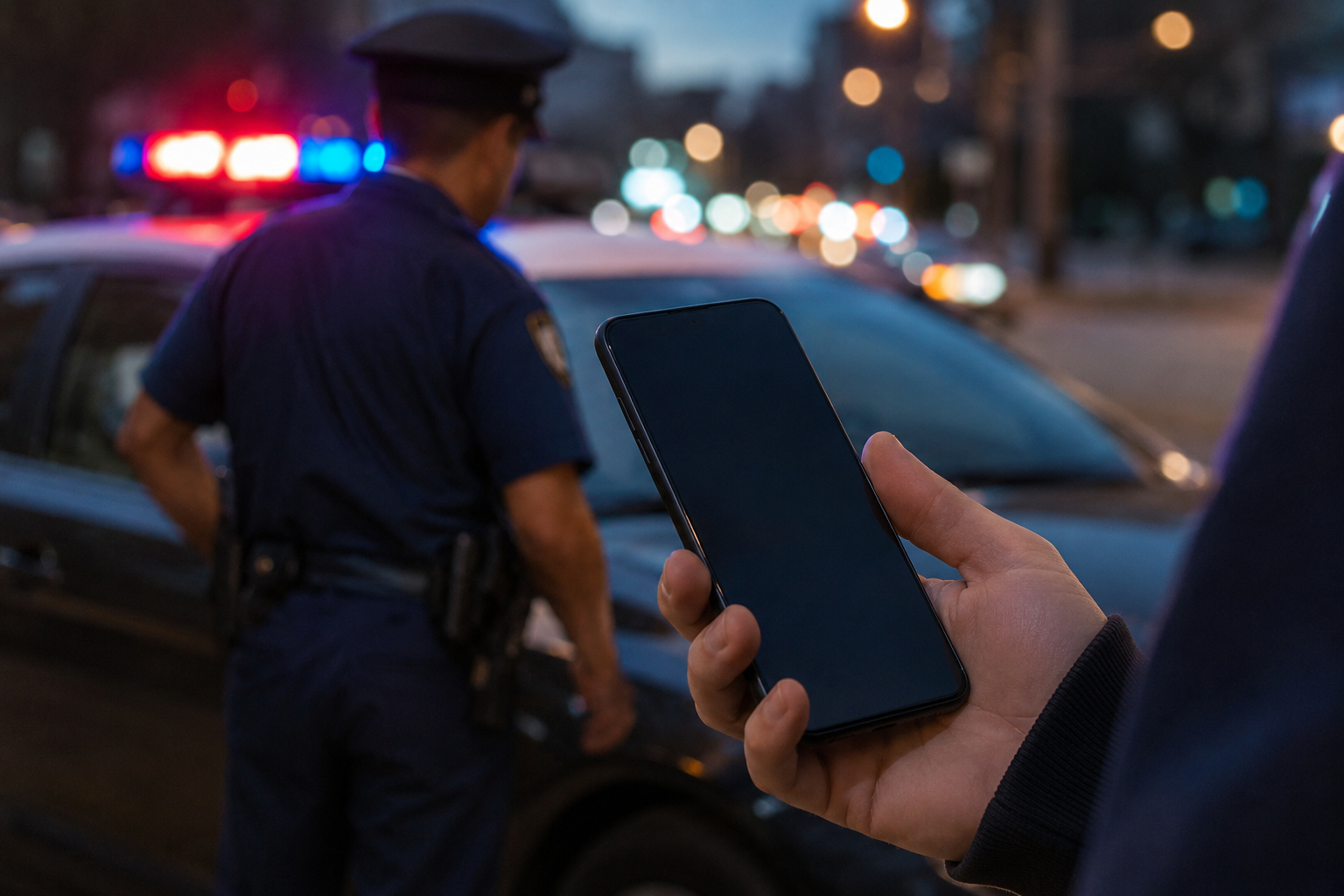

Yes. In the Philippines, police may still potentially trace or identify a mobile device even if GPS or Location Services are turned off. A phone can continue communicating with cell towers, SIM registration systems, Wi-Fi networks, apps, and telecom infrastructure. This is why “location off” does not automatically stop Philippines police phone tracking, especially during cybercrime, scam, kidnapping, or serious criminal investigations.
As concerns about SIM registration privacy and digital surveillance continue growing in 2025–2026, many Filipinos are now searching questions like:
- Can police track phone without GPS Philippines?
- Can police trace a SIM card?
- Can police track a switched-off phone?
- Can police track my phone through IMEI?
- Does airplane mode stop police tracking?
The answer depends on the technology involved, the seriousness of the case, and Philippine privacy laws.
What Does “Location Off” Actually Mean?
One of the biggest misconceptions online is believing that disabling Location Services makes a phone invisible.
It does not.
Turning off location usually disables:
- GPS-based positioning
- Precise map tracking
- App access to exact coordinates
But your phone may still connect to:
- Cell towers
- Mobile data systems
- Wi-Fi routers
- Bluetooth devices
- Internet servers
- Cloud accounts
- Mobile applications running in the background
That means authorities may still potentially track phone without GPS in the Philippines through other technical methods.
How Philippines Police Phone Tracking Can Still Work Without GPS
Cell Tower Triangulation
This is one of the most common methods used worldwide.
Even without GPS, your device constantly communicates with nearby telecom towers to maintain signal. By analyzing:
- tower locations,
- signal strength,
- and tower switching patterns,
telecom providers can estimate a phone’s approximate position.
This process is commonly called cell tower triangulation.
In the Philippines, providers such as Globe Telecom and Smart Communications maintain network records that may become relevant during lawful investigations.
IMEI Tracking
Every smartphone has a unique IMEI number.
Even if:
- GPS is disabled,
- the SIM card is removed,
- or apps are deleted,
the device itself may still potentially be identified on a mobile network.
This is one reason stolen phones can sometimes still be traced after criminals replace SIM cards.
SIM Registration Tracking
The Philippines SIM Registration Act significantly changed privacy discussions in the country.
Under Republic Act No. 11934, SIM cards must be registered with identifying information.
This means authorities investigating serious crimes may potentially connect:
- SIM activity,
- mobile usage,
- call logs,
- and network records
to specific registered users.
Because of this law, “SIM registration privacy” became one of the biggest digital-rights concerns in the Philippines in recent years.
Legal Framework for Phone Tracking in the Philippines
This section is critical because many competing articles discuss technology but ignore Philippine legal authority.
Data Privacy Act of 2012
The Philippines protects personal data under Republic Act No. 10173.
The law regulates:
- collection of personal data,
- processing of sensitive information,
- telecom and digital privacy obligations.
The National Privacy Commission oversees implementation of the Data Privacy Act.
In most situations, authorities generally need lawful grounds before accessing sensitive telecom or user information.
Anti-Wiretapping Law
The Philippines also enforces Republic Act No. 4200.
This law restricts unauthorized interception or recording of private communications.
Many Filipinos misunderstand this law. It does not automatically prevent all digital investigations, but it does create legal boundaries regarding surveillance and communication monitoring.
Cybercrime Prevention Act
Investigations involving:
- online scams,
- cyber libel,
- hacking,
- fraud,
- identity theft,
- online threats
may involve provisions under Republic Act No. 10175.
This became especially relevant after the rise of:
- GCash fraud,
- phishing operations,
- fake lending apps,
- and social media scams in 2025–2026.
Can Police Track a Phone Without a Warrant in the Philippines?
This is one of the most searched long-tail questions online.
In many cases, Philippine authorities generally require:
- court authorization,
- legal requests,
- or telecom cooperation
before accessing highly sensitive location or subscriber information.
However, emergency situations may be treated differently, particularly involving:
- kidnapping,
- terrorism,
- imminent threats,
- missing persons,
- organized crime.
The exact legal process depends heavily on the investigation.
Can Police Track a Switched-Off Phone?
A fully powered-off phone is significantly harder to track live because it stops actively communicating with networks.
However:
- previous tower connections may remain logged,
- last known locations may still exist,
- cloud activity before shutdown may still be available.
This is why many searches for “can police track a switched-off phone Philippines” produce confusing answers online.
A switched-off device is harder to monitor in real time, but historical records may still exist.
Can Police Track a Phone Without a SIM Card?
This is another major Philippines search query.
A phone without a SIM card:
- may still connect to Wi-Fi,
- may still use apps,
- may still expose IP addresses,
- and may still communicate with cloud services.
Without a SIM, certain telecom-based tracking methods become weaker, but the device itself may still leave digital traces.
Can Police Track Your Phone Through Facebook, Messenger, or WhatsApp?
Many users believe encrypted apps make them completely invisible.
That is not fully accurate.
Apps may still store:
- login records,
- IP information,
- connected devices,
- timestamps,
- metadata,
- cloud synchronization data.
Encryption mainly protects message contents during transmission. It does not necessarily erase all technical records connected to account activity.
This became especially relevant in Philippine cybercrime investigations involving:
- online scams,
- sextortion,
- fake accounts,
- and social media harassment.
Technical Methods Used to Track Phones
Wi-Fi Tracking
Public or home Wi-Fi connections may reveal approximate location information through IP and router data.
Bluetooth Signals
Nearby Bluetooth systems can sometimes identify device proximity.
Cloud Account Synchronization
Google and Apple services may continue syncing activity even when GPS is disabled.
Mobile Data Logs
Telecom providers maintain network activity records that may become relevant during lawful investigations.
Risks of Assuming “Location Off” Means Privacy
One reason this topic became so popular in the Philippines is because many people assume one setting controls all surveillance.
In reality:
- GPS is only one tracking layer,
- modern smartphones constantly exchange background data,
- apps often collect more information than users realize.
This is why searches such as:
- “track phone without GPS Philippines”
- “Philippines police phone tracking”
- “SIM registration privacy”
continue trending in tech and legal discussions.
Common Myths About Phone Tracking
“Turning Off GPS Makes You Invisible”
False.
A device may still communicate with telecom infrastructure.
“Airplane Mode Completely Prevents Tracking”
Not always.
Some offline logs and cached activity may still exist.
“A VPN Stops Police Tracking”
A VPN mainly masks internet routing and IP visibility. It does not erase IMEI identifiers or telecom records.
“Removing the SIM Card Completely Hides the Phone”
Not necessarily.
Wi-Fi and app-based connections may still create digital traces.
Recent Privacy Concerns in the Philippines (2025–2026)
Phone-tracking discussions intensified after:
- mandatory SIM registration,
- rising cybercrime complaints,
- GCash fraud cases,
- online lending app controversies,
- and privacy debates involving telecom data.
Many Filipinos now question how much personal information mobile systems actually store.
This is one reason “SIM registration privacy” and “Philippines police phone tracking” became rapidly growing search topics.
How to Protect Your Digital Privacy Legally
If your concern is privacy rather than criminal activity, safer digital practices matter more than internet myths.
Helpful habits include:
- enabling two-factor authentication,
- limiting app permissions,
- reviewing privacy settings,
- avoiding suspicious Wi-Fi networks,
- keeping software updated,
- using strong passwords.
Many users unknowingly expose more information through apps than through GPS itself.
FAQ
Can police track phone without GPS in the Philippines?
Yes, potentially. Phones may still connect to cell towers, Wi-Fi networks, apps, and telecom systems even when GPS is disabled.
Can police track a phone through IMEI?
In some investigations, authorities and telecom providers may potentially identify a device through its IMEI number.
Can police track a phone without a SIM card?
A phone without a SIM is harder to track through telecom networks, but Wi-Fi, apps, and cloud systems may still create digital traces.
Can police track a switched-off phone?
A powered-off phone is much harder to track live, though previous records and last known locations may still exist.
Does airplane mode stop police tracking?
Airplane mode reduces active network communication, but it does not guarantee total invisibility or deletion of previous records.
Is phone tracking legal in the Philippines?
Phone tracking and access to telecom data generally depend on Philippine laws, lawful investigations, court authorization, and the circumstances involved.
Yes, police may still potentially trace or identify a mobile device even if Location Services are turned off. GPS is only one part of modern tracking systems. In the Philippines, phones may still interact with:
- telecom towers,
- SIM registration databases,
- Wi-Fi networks,
- cloud systems,
- and internet infrastructure.
Because of evolving cybercrime investigations, SIM registration laws, and digital privacy concerns, Philippines police phone tracking remains one of the most searched legal-tech questions online today.
You can also check if police can enter your house without a warrant in the Philippines.
Comments are closed!