

If you hit a parked car in the Philippines, you are legally liable for Reckless Imprudence Resulting in Damage to Property. According to Republic Act No. 4136, Section 55 (Duty of Driver in Case of Accident), you must stop and identify yourself. Failure to do so is treated under Philippines hit-and-run law and, in 2026, triggers an “Alarm” or “Alert Status” on your LTMS digital record. While your physical license is no longer confiscated at the scene, you have 15 working days to settle the violation via the LTO to avoid penalties such as a 30-day license suspension and disqualification from 10-year license validity.
Step-by-Step: What To Do Immediately
1. Stop your vehicle
Stopping immediately is required by law. Leaving is what turns a minor incident into a hit-and-run violation.
2. Assess the damage
Check:
- both vehicles
- nearby property or structures
- severity of the impact
3. Locate the owner
Make reasonable efforts:
- ask guards or attendants
- check nearby establishments
4. Leave your contact details
If the owner is not present:
- provide your name and phone number
- briefly describe the incident
- place it securely on the windshield
5. Document everything
Take photos or video of:
- both vehicles
- license plates
- surroundings
6. Report the incident if needed
For significant damage:
- report to the nearest police station
- obtain official documentation
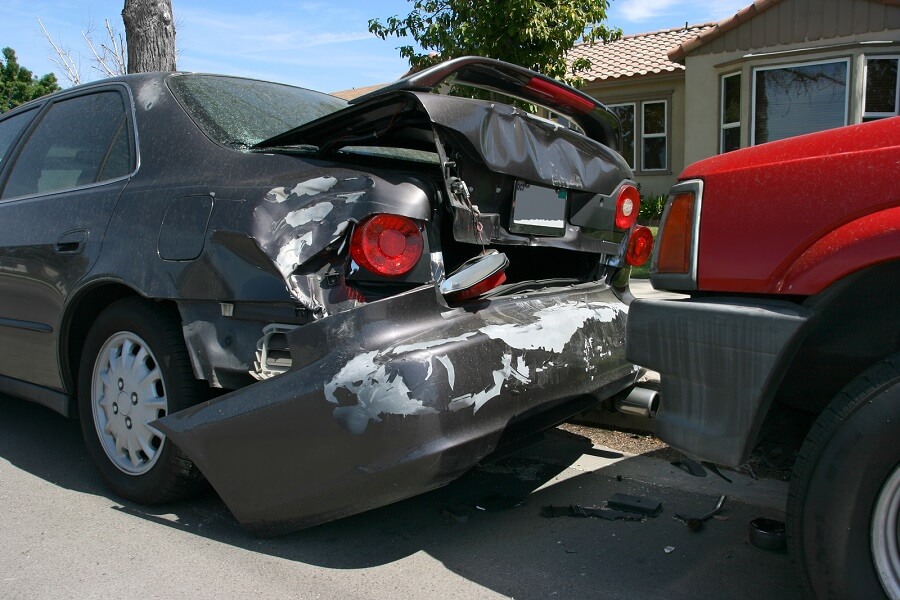
Philippines Hit-and-Run Law (RA 4136, Section 55)
According to Republic Act No. 4136, Section 55, drivers must stop, identify themselves, and assist when necessary after an accident.
Legal Exceptions (When Leaving Is Allowed)
A driver may leave ONLY to:
- report the accident to authorities
- seek medical assistance
- avoid immediate danger (e.g., mob retaliation)
Any other departure is classified under Philippines hit-and-run law.
LTO Penalties for Hit-and-Run (2026 System)
Enforced by the Land Transportation Office:
- fines
- license suspension or revocation
- possible criminal liability
Demerit Point System
- hit-and-run is classified as a grave violation
- may carry up to 10 demerit points
This can disqualify you from 10-year license validity during renewal.
LTMS “Alarm Status” vs License Confiscation
In 2026, enforcement is digital:
- your physical license usually stays with you
- violations are recorded in LTMS
What is an “Alarm” in LTMS?
- a digital flag on your driver record
- triggered by unresolved violations
Effects of an Active Alarm
- blocks license renewal
- blocks vehicle registration
- prevents all LTO transactions
The system is stricter: even without confiscation, your record is effectively locked.
15 Working Days Rule (MC No. MVL-2026-4846)
According to LTO Memorandum Circular No. MVL-2026-4846:
- you have 15 working days to settle violations
How to Count “Working Days”
- weekends are excluded
- official holidays are excluded
- government work suspensions (e.g., typhoons) are excluded
Example:
- accident on Friday
- Monday holiday
Day 1 = Tuesday
Parked Car Accident Insurance PH: CTPL vs Comprehensive
For parked car accident insurance PH, this is critical:
CTPL (Compulsory Third Party Liability)
- required by law
- covers injury or death only
- does NOT cover property damage
Comprehensive Insurance (Required for Coverage)
To cover a parked car accident, you need:
- Property Damage (PD) coverage
- or Voluntary Third Party Liability (VTPL)
Without comprehensive insurance, you will likely pay out-of-pocket.
Legal Classification: Reckless Imprudence
Most incidents are classified as:
Reckless Imprudence Resulting in Damage to Property
This applies when:
- the act is unintentional
- caused by negligence
Used in:
- police reports
- insurance claims
- legal proceedings
Private Settlement & Affidavit of Desistance
Many cases are settled privately.
If both parties agree:
- compensation is paid directly
- no escalation occurs
2026 Requirement
For insurance or legal validity:
- an Affidavit of Desistance must be notarized
A simple signed note is usually insufficient, especially for major claims or lifting an LTMS alarm.
Timeline: What Happens Next
- Same day:
- incident + documentation
- 1–3 days:
- contact with owner
- Within 15 working days:
- LTO settlement
- Weeks:
- insurance or private resolution
At a Glance: 2026 Legal Outcomes
| Scenario | Immediate Action | LTO Record Status | License Impact |
|---|---|---|---|
| Note left / settled | Document & contact owner | No record | Eligible for 10-year |
| Minor violation issued | Settle within 15 days | Cleared | 5-year renewal |
| Drove away (hit-and-run) | Police/CCTV investigation | Active Alarm | 30-day suspension |
Related Guides (Internal Linking)
- Philippines Traffic Violations Explained
- Car Insurance Claims in the Philippines
- What To Do After a Minor Accident in PH
FAQ (Philippines)
What is the Philippines hit-and-run law?
It refers to violations under RA 4136 when a driver fails to stop, identify themselves, or report an accident.
What are LTO penalties for hit-and-run?
They include fines, license suspension, LTMS alarm status, and possible criminal charges.
Does parked car accident insurance PH cover damage?
Only if you have comprehensive insurance with property damage coverage.
What happens if I return after leaving the scene?
You may reduce penalties, but liability and record impact remain.
In the Philippines, hitting a parked car is rarely the real problem. The legal consequences depend almost entirely on what you do next. Acting responsibly—stopping, documenting, and reporting—protects you from severe penalties and long-term record damage.
Comments are closed!