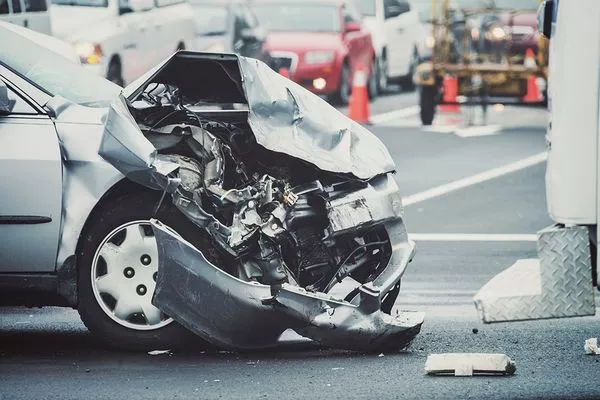

Yes, reckless driving in the Philippines can lead to jail time ranging from about 1 month to up to 20 years if it results in injury, death, or serious property damage. Under Republic Act No. 4136 and Article 365 of the Revised Penal Code, these cases are prosecuted as Reckless Imprudence, which carries both criminal and civil liability. Minor violations without harm are usually fined, but once an accident occurs, the case becomes criminal.
What Is Reckless Driving in the Philippines?
Reckless driving means operating a vehicle in a way that:
- endangers people or property
- violates traffic rules
- shows lack of reasonable care
Common examples:
- overspeeding
- aggressive lane changes
- beating red lights
- distracted driving
How Reckless Driving Is Enforced in the Philippines
Authorities include:
- Philippine National Police (PNP)
- MMDA (Metro Manila Development Authority)
- local traffic enforcers
2026 enforcement reality:
- CCTV and NCAP (No Contact Apprehension Policy)
- dashcams and body-worn cameras
- checkpoint monitoring
- heavy enforcement on EDSA, C5, and highways
Metro Manila has stricter enforcement due to congestion and surveillance.
How Police Prove Reckless Driving in the Philippines
Authorities rely on:
- CCTV footage
- dashcam recordings
- body-worn camera footage
- witness statements
- officer observations
Video evidence is often decisive in court.
Reckless Driving Philippines Penalty (2026)
Administrative Penalties (No Accident)
Handled by the Land Transportation Office:
- fines: ₱2,000 – ₱10,000
- license suspension
- LTO demerit points system impact
- possible vehicle impoundment
2026 Update: LTO Settlement Rule (Important)
- violations must be settled within 15 working days
- working days exclude Saturdays, Sundays, and official holidays
Example:
If cited on Friday → Day 1 starts Monday (or next working day)
No License Confiscation (2026 Rule)
- under current guidelines, your physical license is generally not confiscated during this period
- violation is recorded in the LTMS system
Exception: serious accidents may still involve confiscation as part of investigation.
When Does Reckless Driving Become a Criminal Case?
Reckless driving becomes criminal when it causes:
- property damage
- injury
- death
It is prosecuted as:
Reckless Imprudence under Article 365 of the Revised Penal Code
Reckless Imprudence Philippines Jail Time
Property Damage
- fines
- civil liability
Physical Injury
- imprisonment (varies by severity)
- compensation
Death (Homicide)
- imprisonment up to 20 years
- major financial liability
How Courts Treat Reckless Driving Cases in the Philippines
Courts generally:
- treat reckless driving as negligence
- rely heavily on evidence
- increase penalties based on severity
Under Article 365, penalties scale with the harm caused.
Real Examples of Reckless Driving Cases
- speeding → collision → liability
- running red light → accident → criminal charges
- aggressive driving → injury → imprisonment
Is Reckless Driving a Criminal Offense?
- No, if no harm occurs
- Yes, if it results in damage, injury, or death
Can Reckless Driving Cases Be Settled in the Philippines?
Yes, but with limits:
- parties may agree on compensation
- Affidavit of Desistance may resolve civil claims
Important:
- settlement does NOT automatically dismiss criminal charges
- serious cases proceed in court
Can You Defend a Reckless Driving Case?
Possible defenses include:
- lack of evidence
- mechanical failure
- emergency situation
Doctrine of Sudden Peril
- applies when a driver acts quickly to avoid a greater danger
- may reduce liability if proven
Can a Reckless Driving Case Be Dismissed?
Possible if:
- evidence is insufficient
- fault is unclear
- settlement resolves civil liability
Not likely in serious injury or death cases.
What Happens After a Reckless Driving Incident?
- incident occurs
- police report filed
- investigation
- charges filed
- settlement or court
Who Pays Damages?
- the at-fault driver
- includes:
- repairs
- medical expenses
- lost income
Insurance Risk
- claims may be denied if negligence is proven
- especially in serious cases
At a Glance (Featured Snippet Optimized)
| Incident Type | LTO Penalty (Fine) | Jail Risk | Legal Basis |
|---|---|---|---|
| Minor (No Harm) | ₱2,000 - ₱10,000 | None | RA 4136 |
| Property Damage | Fine + Damages | Low | Art. 365 RPC |
| Physical Injury | Fine + Suspension | Medium | Art. 365 RPC |
| Homicide (Death) | Revocation | High (Up to 20 yrs) | Art. 365 RPC |
What Most Drivers Don’t Realize
- reckless driving can instantly become criminal
- CCTV and NCAP systems track violations
- demerit points affect license renewal
- jail depends on outcome, not intent
Related Guides
- What Happens After a Car Accident in the Philippines
- Drunk Driving Penalty Philippines
- Driving Without License Philippines
FAQ
Can reckless driving send you to jail in the Philippines?
Yes, if it results in injury, death, or serious damage.
What is the penalty for reckless driving Philippines?
Fines, suspension, demerit points, and possible imprisonment.
How long is jail time for reckless imprudence?
It varies, but can reach up to 20 years.
Can reckless driving charges be dismissed?
Sometimes, depending on evidence and circumstances.
Reckless driving in the Philippines is not just a traffic violation — it can quickly escalate into a serious criminal case. The difference between a fine and imprisonment depends on what happens after the act. One mistake can lead to long-term legal and financial consequences.
Our Related Legal & Driving Guides
If you found this guide helpful, you may also need to understand the penalties and procedures for these specific situations in the Philippines:
- What Happens After a Car Accident in the Philippines A step-by-step guide on the immediate actions you must take at the scene to avoid "Hit and Run" charges and how to document evidence for insurance.
- Drunk Driving Penalty Philippines (2026 Guide) Understand the severe implications of Republic Act 10586, including mandatory drug testing, confiscated licenses, and the updated 2026 fine schedule.
- Driving Without a License in the Philippines: Fines & Risks Learn the difference between a forgotten license, an expired one, and driving while under suspension—and how each affects your LTO demerit points.
- What Happens If You Hit a Parked Car? A specialized look at "Property Damage" cases, how to legally settle with the owner, and what to do if the owner is not present.
This guide is for informational purposes only and does not constitute legal advice. Consult a qualified Filipino attorney for specific cases.
Comments are closed!